
The Real Cost of Stockouts in Independent Convenience Retail
Learn how stockouts hurt convenience-store profits, customer loyalty, basket size, and supplier relationships—and how to prioritize replenishment.
Why an Empty Shelf Costs More Than One Sale
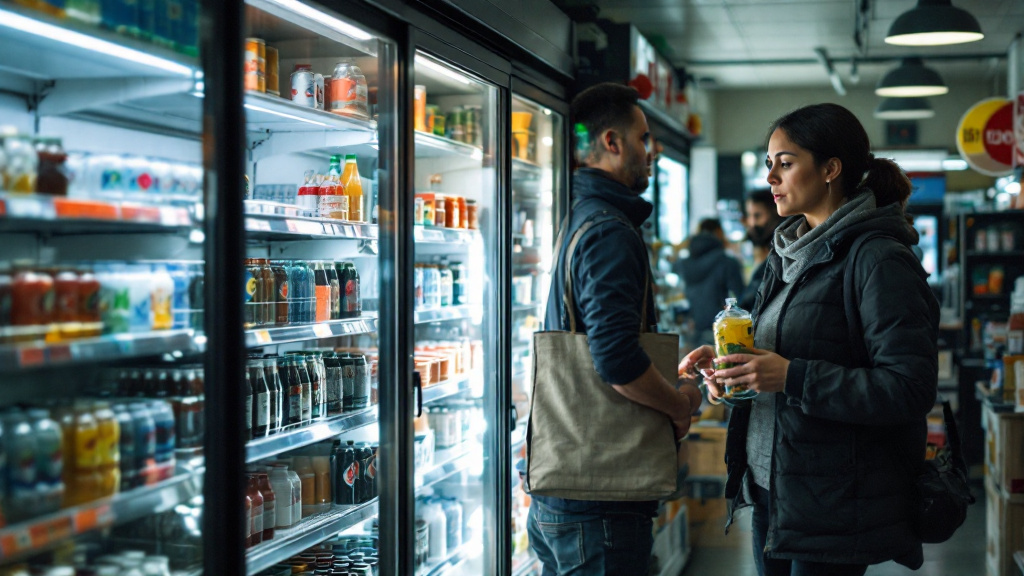
An empty shelf appears to cost only the margin on one missed purchase. In independent convenience retail, the impact is usually broader. Customers may substitute a cheaper product, visit another shop, or decide that your store is unreliable for essential items. If the unavailable product is a popular drink, snack, or household staple, the lost sale can also reduce the rest of the basket: a customer who comes in for coffee and leaves without it may not buy breakfast, a newspaper, or a cold drink either.
Repeated stockouts gradually damage customer loyalty. Shoppers remember which stores consistently carry their preferred brands, sizes, and flavors, especially when they are making quick purchases. They may not complain; they simply change their routine. This makes stockouts a significant retail profitability issue, not merely an inventory inconvenience. The cost includes lost sales, weaker customer relationships, less predictable demand, and staff time spent answering questions or checking the back room. For small retailers operating with limited cash and limited staff, those hidden costs can be substantial.
Which Stockouts Deserve the Fastest Response?

When staff time and purchasing cash are limited, every stockout cannot receive the same response. A practical inventory management framework starts with four questions: How often does the product sell? How important is it to the store’s reputation or customer mission? How quickly can the supplier deliver it? And what is the likely cost of holding extra stock? A fast-selling bottled drink with a two-day supplier lead time may deserve urgent action, while a slow-moving specialty item can wait for the next planned order.
Retailers can rank risks using three levels. Critical items are high-volume, high-margin, or highly substitutable products that are already unavailable or likely to run out before the next delivery. Important items have meaningful sales but can tolerate a short delay. Routine items have low velocity, low customer impact, or sufficient alternatives. This approach helps owners protect working capital while responding quickly to the stockouts most likely to affect basket size and loyalty. Shelf photos, sales history, minimum thresholds, and supplier timing make the ranking more reliable than memory alone.
Turning Stockout Risk Into a Weekly Replenishment Habit
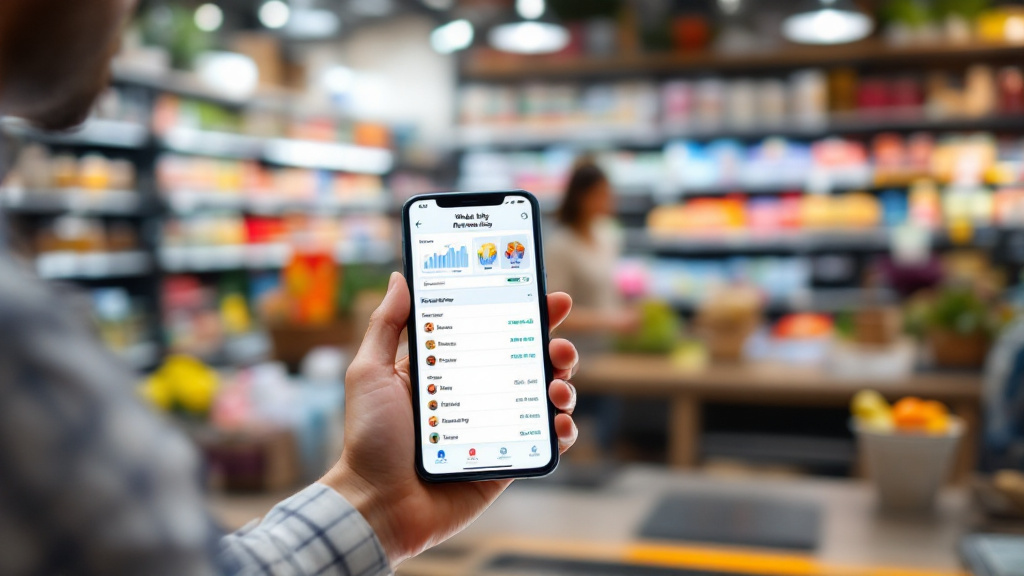
The most effective response is a repeatable weekly process rather than a last-minute rush to place orders. Before opening, staff can photograph key shelves, review unusual gaps, and confirm uncertain counts. The observed stock can then be compared with recent sales, reorder thresholds, product importance, and supplier lead times. A clear, editable reorder list should show what to buy, how much to buy, which items are urgent, and when each order needs to arrive. This turns scattered information into a practical purchasing decision.
A computer-vision assistant such as ShelfSense can support this workflow by identifying products and facings, flagging low-confidence results for human review, and combining shelf observations with sales and supplier data. The owner remains in control: quantities can be adjusted, exceptions can be explained, and the final list can be exported to a spreadsheet, email, POS workflow, or supplier order process. Over time, this creates a useful record of recurring stock risks. By treating stockouts as signals to prioritize—not just problems to fix—independent retailers can protect availability, preserve customer loyalty, and spend limited cash more intelligently.